

Description
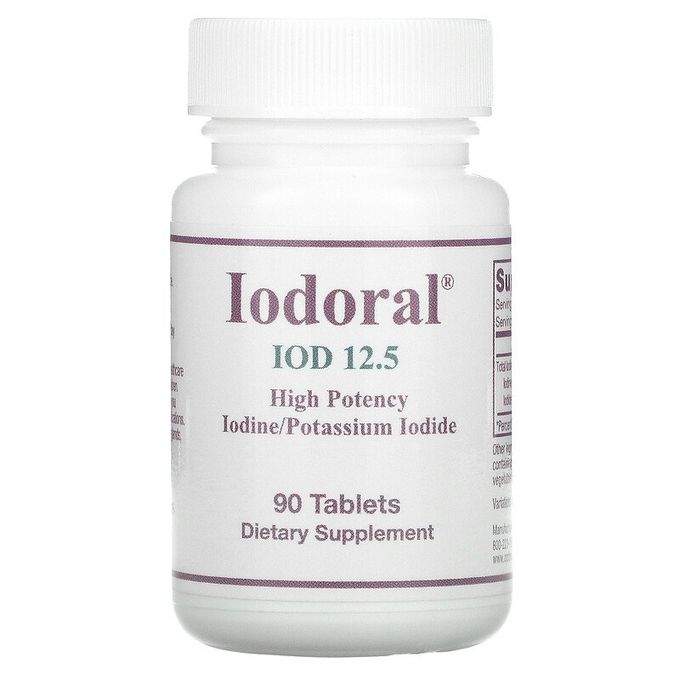
Iodine is an essential element. Although its primary function is the production of thyroid hormones through the thyroid gland, other organs in the body require iodine to function normally.
Several studies have demonstrated the need for iodine intake. These studies determined that the minimum amount of iodine in the body should be equivalent to 0.1 mg/kg by weight/day. For example, in the case of a 50 kg woman, the daily iodine intake would be 5 mg. The thyroid gland needs iodide to function properly. The original study, conducted on adolescent girls 80 years ago, used 9 mg of iodine per day.
In the early 1900s, an iodine/iodide solution called Lugol's was widely used safely and effectively in medical practice for both low and above-normal thyroid activity. The recommended daily intake for iodine supplements was 2 to 6 drops of Lugol's solution, which provided 12.5 to 37.5 mg of iodine in total. This amount was mentioned more recently, in 1995, in a book on pharmaceutical science.
Several researchers have provided convincing evidence of the need for adequate iodine intake. Japanese women consumed an average of 13.8 mg of elemental iodine per day, with some research suggesting this is an important factor in their relative health. In the 1960s, a slice of bread in the United States contained the full recommended dietary intake of 0.15 mg of iodine. Over the past two decades, iodine has been replaced by bromine in the bread-making process. Bromine may block thyroid function and interfere with iodine in the body.
Suggested Use
As a dietary supplement, take one tablet per day