


Description
What does chaste tree mean?
Chaste tree is a shrub native to the shores of the Mediterranean. It is therefore found around the Mediterranean coast but also in Morocco, where it has been cultivated for many years for the beneficial effects it offers in herbal medicine. This is recognized perennial by its small blue flowers and its lanceolate, slightly hairy leaves. But it is for its fruit that the chaste tree is so well known.
Chaste tree is known by its Latin name Vitex agnus-castus. Although the word vitex has the meaning braiding, related to the flexible branches of the plant, agnus castus means something completely different… It can be translated as chaste lamb, which fits perfectly with the legend telling that many religious people once used this monk's pepper to calm their ardor! But let's get back to our berries...
How is chaste tree used?
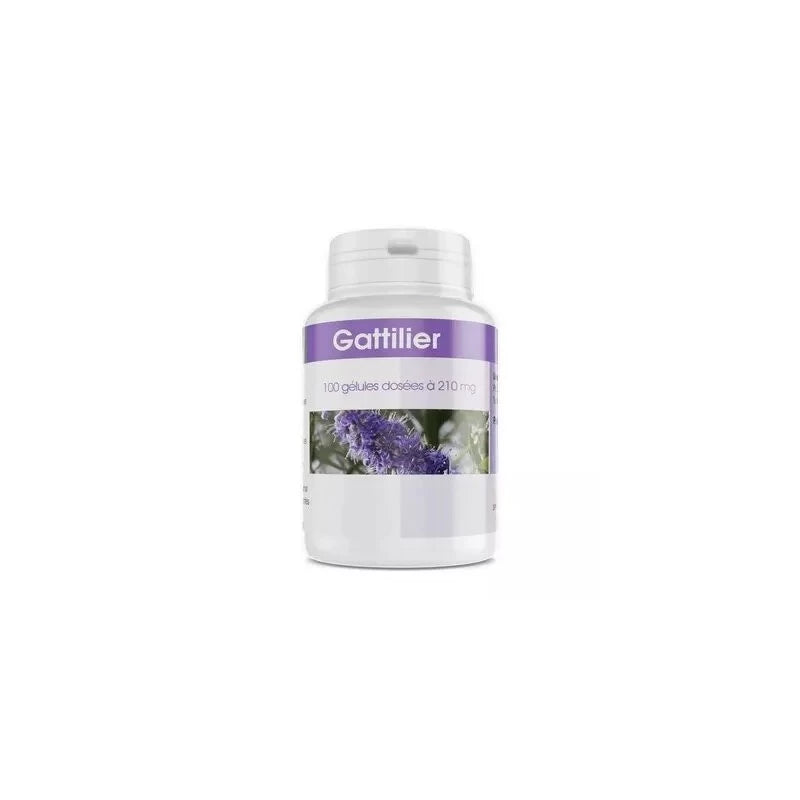
Chasteberry fruits, when fresh, are red in color. Once dried, they have a longer shelf life, but they also change color and turn black. To make dietary supplements, these dried fruits are ground into powder to make capsules and tablets. This makes it easy to use chasteberry for a wellness treatment.
THE chasteberry capsules are taken as a short course of treatment (approximately 2 weeks) in a daily dosage of 500 to 650 mg, at any time of the year. However, it is possible to take chasteberry for a few days before the menstrual cycle, in order to benefit as much as possible from its beneficial effects. The active ingredients of the plant will thus be able to deploy their full potential.
Directions for use:
2 to 3 capsules per day as part of a balanced diet. Keep out of reach of children.
Do not exceed the recommended daily dose.
Use in women with a personal or family history of breast cancer is not recommended, as is use in pregnant women.